

Call Us Now08045802907
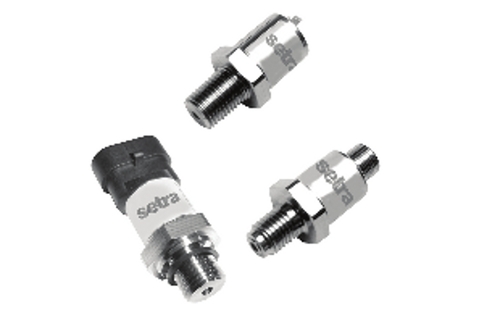
We are a quality centric entity, successfully engaged in manufacturing and supplying optimum quality array of Differential Pressure Sensor. This sensor is manufactured under stern guidance of our highly skilled professionals with the aid of advanced techniques. Especially used for sensing the amount of pressure, the offered sensor finds application in automotive, chemical, electrical and related industries. Additionally, our clients can purchase this Differential Pressure Sensor at highly affordable rates from us.
Features:
Pressure sensor is a device that is available in different types, the division of which can be done by the pressure ranges they measure, operation's temperature ranges, and the kind of pressure they measure. Based on the purpose this device is used for, it is named accordingly.
This device senses pressure and converts it in electrical signal. The magnitude of electrical signal is dependent upon the pressure applied. It is also termed as pressure transducer, as it converts pressure into an electrical signal. In some cases, like traffic enforcement camera, it can be called pressure switch. As, on application of pressure, the sensor either complete or break the electrical circuit in cameras that function in binary manner.
Types of pressure measurements :
Pressure-sensing technology
The two major categories of analog pressure sensors, uses different pressure sensing technologies. Force collector types use Piezoresistive strain gauge, Electromagnetic, Capacitive, Piezoelectric, Potentiometric and Optical. The other types of electronic pressure sensors use Thermal, Resonant and Ionization.
Applications :
Need for Pressure Sensors
The use of Pressure sensors in aviation, automobile, manufacturing, bio medical measurements, air conditioning, hydraulic measurements and other such fields is nothing new. It's use is inevitable in areas, like:
Touch Screen Devices:
The desktops, laptops, tablets and smart phone we use today, all have pressure sensors with touch screen display. A slight pressure applied through finger or stylus is determined by the sensor and it generates an electric signal to inform the processor. One can find these sensors located at the corner of their device's screen.
Automotive Industry:
Pressure sensors are applied in engines to ensure maximum safety. These sensors in cars sense and monitor the oil and coolant pressure and accordingly regulate the power that specific engine must deliver for suitable speeds every time accelerator is pressed or the brakes are applied. This device also forms an integral part of anti-lock braking system (ABS). This device monitor and convey the speed of vehicle and conditions of road, to the processor. This device is also used in air bag system. When a vehicle experience a large amount of pressure, it activates the bags for the safety of the passengers.
Bio Medical Instrumentation:
Pressure sensors are used to optimize several medical instruments based on the health of patient and his requirements.
Industrial Uses :
Pressure sensors are used for monitoring gases and their partial pressures in industrial units for execution of chemical reactions in controlled environmental conditions. In oil industry, pressure sensors monitor the depth of oil rig.
Aviation:
Pressure sensors are helpful in maintaining a balance between atmospheric pressure and the control systems of the airplanes.
Marine Industry:
Pressure sensors are used in ships and submarines to identify their operation depth as well as marine conditions.

Price:
GST : 24AAACM7953M1Z3
 Send Inquiry

|




 Send Inquiry


 Send Inquiry
 Send SMS


