Product Description
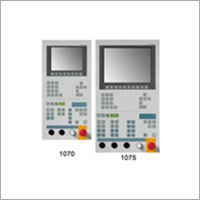
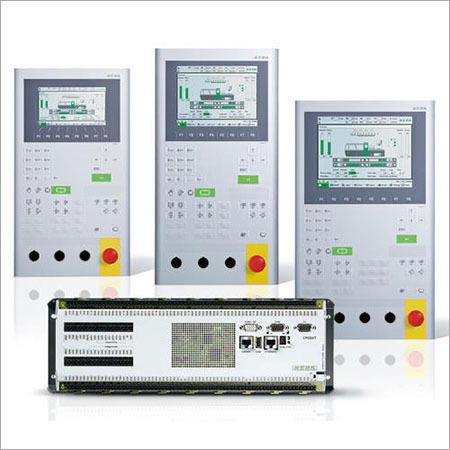
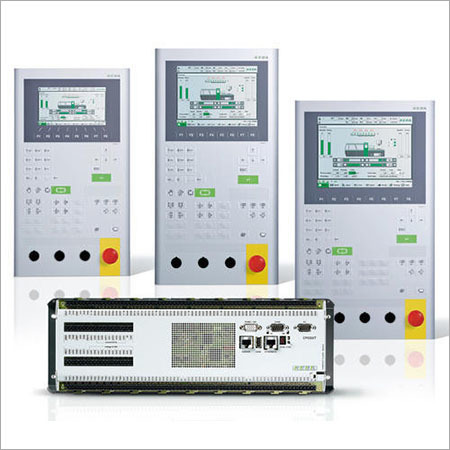
Keba Injection Mould Controller Features:
Operator panel:
Single flat board controller:
KePlast i1000 Key Features:
- Attractive price for economy machines
- Closed loop control
- Standard membrane key operation
- Visualization upgrade by Ketop or standard PC
Precision Control for Industrial MouldingKeba Injection Mould Controllers offer seamless regulation of time and temperature during injection moulding. Designed for industrial settings, these controllers ensure optimal performance, help minimize waste, and improve overall product quality by maintaining consistent operating conditions throughout the process.
Durability and DesignConstructed from robust ABS plastic, these controllers boast a sturdy rectangular design that withstands harsh industrial use. Their ergonomic build simplifies installation and maintenance while supporting reliable long-term operation.
State-of-the-Art PLC ProgrammingWith integrated PLC programming for CNC processes, Keba controllers provide intelligent automation, precise control, and greater flexibility. This advanced technology enables rapid adjustments and optimization within the injection moulding line, reducing downtime and enhancing productivity.
FAQ's of Keba Injection Mould Controllers:
Q: How do Keba Injection Mould Controllers regulate time and temperature in industrial settings?
A: Keba Injection Mould Controllers utilize sophisticated PLC programming to enable precise control of moulding cycle times and temperature settings, ensuring each batch meets exact specifications for quality and consistency.
Q: What advantages does the ABS plastic material provide for these controllers?
A: ABS plastic offers excellent impact resistance and durability, making it ideal for the challenging environments commonly found in industrial settings. This material helps the controller maintain a long operational life while protecting internal components.
Q: When is it recommended to use a Keba Injection Mould Controller in manufacturing?
A: Using a Keba Injection Mould Controller is especially beneficial during any industrial injection moulding process requiring tight control over time and temperature to achieve uniform, high-quality products.
Q: Where are Keba Injection Mould Controllers typically installed within the manufacturing workflow?
A: These controllers are installed directly into the injection moulding machinery control panels, usually positioned for operator accessibility and integration with existing CNC automation systems.
Q: What is the process for setting up and programming these controllers?
A: Setup involves connecting the unit to the moulding machine, configuring the desired time and temperature settings through the programmable PLC interface, and calibrating the system according to batch requirements.
Q: How does integrating PLC programming benefit the operation of Keba controllers?
A: PLC programming introduces a higher degree of automation, allowing real-time adjustments, process monitoring, and reduced human error, which translates to improved efficiency and lower operational costs.
Q: What are the key usage benefits for industrial manufacturers using these controllers?
A: Manufacturers benefit from greater process control, reduced material waste, consistent product quality, and simplified operation, all of which contribute to enhanced productivity and lower production expenses.



 Send Inquiry






 Send Inquiry


 Send Inquiry
 Send SMS
 Call Me Free


